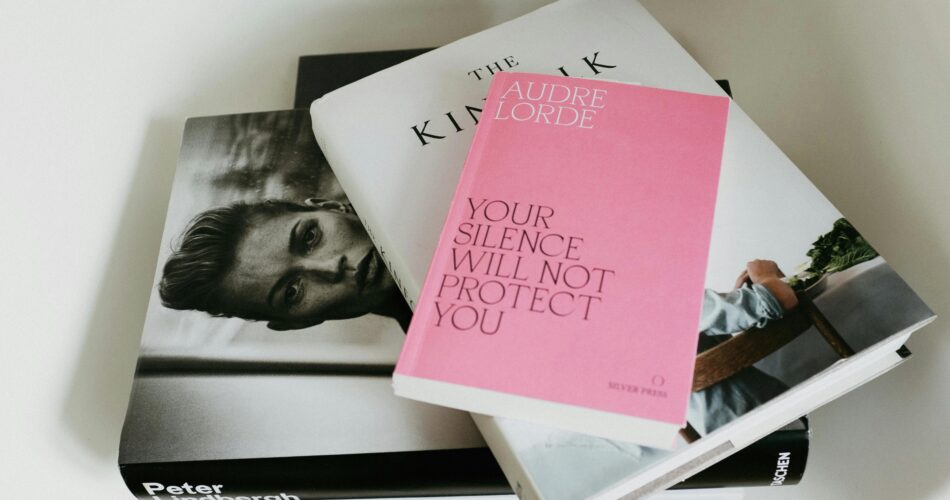
Much of the feminist literature I’ve been reading lately has been grappling with the definition of feminism and its impact on various communities. During the feminist liberation movement of the 70s, depicted in the TV series Mrs. America, contradictions, arguments, and concessions within the movement itself were commonplace. White women feminists often willfully ignored and failed to value or understand the unique struggles black women faced. Lesbian women were frequently disregarded, their rights volunteered as the sacrificial cost for other freedoms. The intersection of being black, a woman, and queer was rarely discussed. The fear of losing ground because someone made it about race again, or the anxiety of losing political momentum because someone brought up sexuality were constant concerns.
The irony is that acknowledging racism, classism, heterosexism, and every other oppressive -ism alongside sexism would not have impeded the movement, but rather have strengthened and reinforced the struggle for freedom. Audre Lorde emphasized this point in her essay Age, Race, Class, and Sex: Women Redefining Difference, when she said that we are not divided by our differences but, “it is rather our refusal to recognize those differences, and to examine the distortions which result from our misnaming them and their effects upon human behavior and expectation” (Lorde 1980, 206). The tensions and struggles to determine who’s voice matters, which issues are the most pressing or valid, and what freedoms are worthy of being granted is a devastating and dangerous distraction from the core mission of the fight for freedom. As Lorde identifies, our differences have been weaponized to keep us all under the oppressive forces of domination, prejudice, ignorance, hatred and dismissal (Lorde 1980, 206).
These oppressive forces know no boundaries in a culture and society that profits from them. It is why we can observe them in spaces, situations, and among people that we unwisely assume to be ridded of these evils. The brand of white western feminism that refuses to afford black women freedom. The rejection of queerness and lesbian women in various feminist spaces. The current examples of internalized racism, misogyny, and homophobia (ie. racialized MAGA Trump voters, trad wives, and the ‘not like other gays’ phenomenon). It is urgent and imperative that we identify these forces and their prevalence in spaces of resistance. Although the guilt accompanied by the realization of one’s privilege is uncomfortable (Lorde 1980, 210), the risk of failing to address these truths is a far worse fate.
We must not subscribe to the limiting and selfish ideas of freedom that only free an exclusive group of people, and rather ask the greater, nobler, and far more vulnerable question of how we can involve every human right in this fight for freedom? This is the only legitimate path towards a free world. It is why, I believe, all other movements have failed to free us all completely from oppression. The belief that one’s own problems and solutions are the only valid ones that exist, that ‘feminism’ can be prescribed to all feminized people, a ’one-size-fits-all’ model, is a foolish and fatal misconception. In doing so we risk ignorantly dismissing the diverse experiences, solutions, ideas, and creativity that individuals facing unique struggles may offer.
The margin for error continues to shrink as biocapitalism, patriarchy, and AI continue to plague us. We can no longer afford to execute a flawed, porous, and exclusive plan. We are in no place to engage in a losing fight. If we ever dream to be free, we must uproot the oppressive forces within the systems of oppression, the oppressors, and ourselves. Although it may seem that some groups are fighting in different directions – against racism, sexism, homophobia, classism, ageism, ableism, transphobia, or a mix of them, the common thread that unites us is our desire for the restoration of respect, value, and humanity. Differences and diversity, when acknowledged, respected, and integrated, do not diminish or impede on the direction or strength of the movement, but rather embolden, strengthen, grow, enrich, and diversify our collective ability and hope for a free world.
The feminist literature of the 70s, 80s, and 90s asked us important questions. Why did we stop listening?